
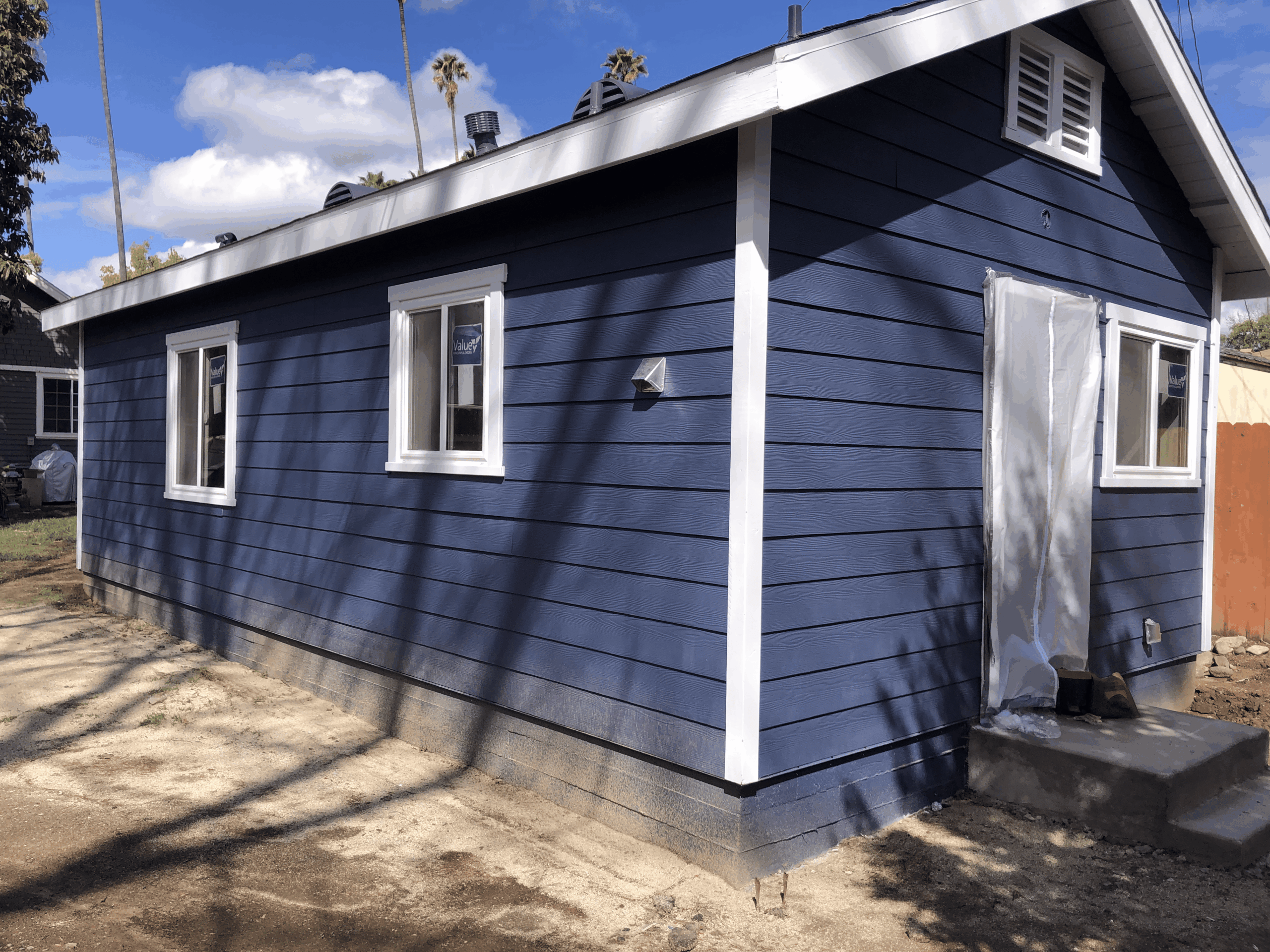
In 2026, building an ADU costs about $180,000 nationwide on average, but total expenses can range from $40,000 to $360,000 depending on the size, location, and type of construction. While construction costs per square foot have settled between $200 and $450, regional price differences and soft costs such as permits, design, and engineering now account for nearly a quarter of the budget.
Homeowners should carefully consider different ADU options, such as garage conversions or detached new units, to help meet their goals for rental income, property value, and equity.
The 2026 ADU Market: National Trends vs. High-Cost Metros
ADU costs in 2026 continue to differ significantly between lower-cost regions and high-demand metros. A budget garage conversion may start near $80,000 in suburban markets, while custom detached ADUs in West Coast or Northeast cities can exceed $400,000. Homeowners often rely on price-per-square-foot estimates, but that metric can create misleading expectations. Small ADUs still require costly utilities and permits; consulting an experienced ADU builder in Los Angeles is essential to accurately estimate local expenses.
At-a-Glance: 2026 ADU Pricing by Type and Size
ADU pricing in 2026 varies based on construction type, square footage, permitting complexity, and site conditions.
| ADU Type | Size (Sq Ft) | Estimated Southern California Cost Range | Key Feature |
| Basement/Garage Conversion | 400–600 | $150,000 – $225,000 | Uses existing foundation and walls |
| Attached New Construction | 600–1,000 | $200,000 – $320,000 | Shared wall with primary home |
| Detached (Standard) | 600–1,200 | $250,000 – $400,000 | Independent ground-up structure |
| Above-Garage Unit | 500–800 | $300,000 – $450,000 | Requires structural reinforcement |
At Sky Builders ZHR, we note that Los Angeles projects often trend toward the higher end of these estimates due to strict local regulations, labor demands, and strict energy-compliance standards. However, detached ADUs offer greater rental flexibility and immediate resale value, while garage conversions help drastically reduce upfront construction costs by leveraging existing infrastructure.
Major Drivers of ADU Costs
Many factors, including construction, regulations, and site conditions, affect the final cost of building an ADU in 2026. Knowing what drives these costs can help homeowners avoid surprises.
Soft Costs: Design and Engineering Fees
Soft costs account for 10% to 15% of most ADU budgets. Required professional services include:
- Architectural & Engineering Plans: Critical for zoning approvals, load calculations, and structural safety.
- Site Surveys & Energy Reports: Mandatory evaluations for property grading and local climate/efficiency compliance.
Permitting and Impact Fees
While permits cost about $1,350 on average nationwide, fees in Los Angeles often range from $10,000 to $20,000 because of city reviews:
- Zoning & Fire Approvals:Verification of property setbacks, land-use rules, and emergency access.
- Deferred Impact Fees:Under Senate Bill 937, impact fees for units over 750 square feet are deferred until final inspection.
Site Preparation and Utility Connections
Digging trenches and installing new sewer, water, and electrical lines usually costs between $5,000 and $30,000, depending on the property layout:
- Lot Infrastructure: Sloped yards and older primary plumbing systems require costly structural upgrades.
- Backyard Access: Tight or restricted property boundaries increase labor time and rental fees for heavy equipment.
Material Selection and Finish Tiers
Materials make up 45% to 50% of the total budget. Choosing high-end finishes or meeting local requirements can raise costs:
- Interior Finishes: Custom cabinetry, countertops, and flooring choices dictate the baseline cost tier.
- California Mandates: Mandatory solar panel installations for new detached builds and strict Title 24 energy-efficient windows.
Labor Shortages and Contractor Rates
Labor makes up almost 40% of construction costs in 2026, and prices are especially high in busy metro areas:
- Trade Shortages: Limited availability of licensed plumbers, electricians, and certified HVAC specialists.
- Inspection Tracking: Experienced general contractors protect timelines by managing complex municipal inspections and subcontractor scheduling.
The ROI Breakdown: 2026 Investment Analysis
ADUs are still popular in 2026 because they help homeowners earn rental income, increase property value, and offer flexible housing options.
Rental Income and Cash Flow Potential
Rental income remains one of the strongest financial advantages of building an ADU in competitive housing markets across the United States.
- Long-Term Rentals: Deliver predictable monthly income and support stable occupancy in high-demand residential neighborhoods.
- Short-Term Rentals: Generate higher nightly pricing in tourism-driven cities and seasonal rental markets.
- Detached Unit Privacy: Often increases tenant demand because separate entrances improve independence and living comfort.
ADUs usually offer gross rental yields between 5% and 9%, giving homeowners a steady way to earn extra income from their property.
Immediate Property Equity Gain
Many ADU projects boost property value right after construction, especially in areas where housing is in short supply.
- Additional Livable Space: Expands usable residential square footage and improves overall property functionality.
- Rental Income Potential: Appeals to investors and future buyers seeking income-generating housing opportunities.
- Flexible Housing Use: Supports guest accommodations, home offices, or multi-generational family living arrangements.
Homes with legal ADUs often sell faster because buyers want flexible properties that can generate income and help build long-term wealth.
Financing and Grants: 2026 Funding Strategies
Homeowners working with an ADU builder in Los Angeles often use a mix of financing programs and housing grants to manage rising construction costs in 2026. Common funding options include:
- HELOCs:Allow homeowners to borrow against available home equity.
- Renovation Loans:Combine construction costs into a single financing product.
- Construction Loans:Support phased payments during the building process.
- Incentive Tracking:Check that funding is still available before you start planning, as some state grants can run out, leaving homeowners to cover costs themselves.
- Local Housing Trust Funds:Some cities offer funding support for affordable or workforce housing projects.
Before choosing a financing option, homeowners should consider interest rates, repayment terms, and whether they qualify for grants.
Conclusion
Building an ADU in Los Angeles is a smart way to add value to your property and earn rental income in 2026. Although local permits and energy rules take planning, the long-term financial benefits are worth it. At Sky Builders ZHR, we help keep your project on track, meet city requirements, and boost your property’s equity from the start. A well-built ADU gives you both short-term financial flexibility and long-term wealth.
Frequently Asked Questions
What is the cheapest type of ADU to build?
Garage and basement conversions usually cost the least because they reuse existing walls, foundations and roofing systems.
Are prefab ADUs actually cheaper than stick-built?
Prefab ADUs may reduce labor time, but transportation, installation, permits and utility work still affect total pricing.
How long does it take to recoup the cost of an ADU?
Many homeowners recover ADU costs within 8 to 15 years through rental income and property appreciation.
Does an ADU significantly increase my property taxes?
Property taxes typically adjust based solely on the added value of the ADU, preserving your primary home’s rate.
Can I build an ADU for under $100,000 in 2026?
Some garage conversions and prefab ADUs may remain under $100,000 in lower-cost regions, though urban markets often exceed that threshold due to permit and labor costs.