
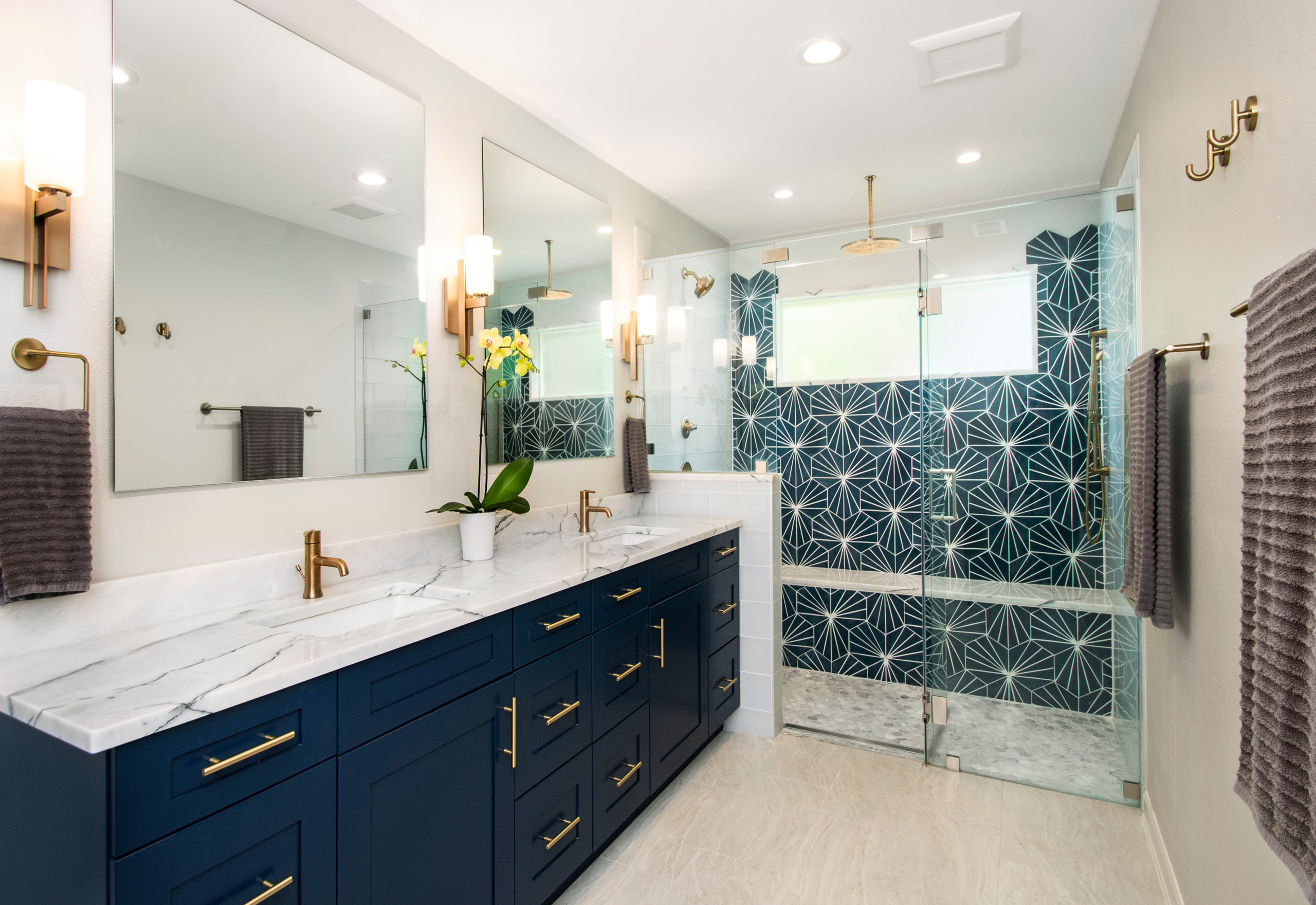
In 2026, the average bathroom remodel in the U.S. costs about $16,500. Most projects fall between $8,000 and $45,000, depending on the layout, materials, and how much work is needed. Although material prices have leveled off, a shortage of skilled workers is still pushing remodeling costs up by 4% to 6% each year. Homeowners should try to balance eye-catching design upgrades with important infrastructure improvements to get the most function, durability, and a possible 65% to 80% return on investment.
The 2026 Renovation Landscape: Budget vs Reality
Bathroom remodeling expectations in 2026 continue shifting as homeowners compare cosmetic upgrades with full-scale renovations. A DIY weekend refresh may include paint, lighting, or hardware updates, while a professional remodel involves plumbing coordination, waterproofing systems, electrical upgrades, and code-compliance inspections.
In Southern California, local labor rates and city permits can have a big effect on your renovation budget. At Sky Builders ZHR, we handle these challenges every day in Los Angeles. Our experience with custom homes and large remodels helps homeowners plan their projects accurately from the start.
Many homeowners still want wellness-focused features like steam showers, heated floors, and spa-style layouts. These upgrades boost comfort, function, and resale value, but they do cost more up front and need skilled installation.
National Average Cost Breakdown by Tier
The cost of remodeling a bathroom depends on the quality of finishes, how much labor is needed, and how complex the work is. Here are some common price ranges:
| Project Tier | 2026 Cost Range | What’s Included |
| Budget Refresh | $5,000 – $10,000 | Paint, updated hardware, stock vanity installation and faucet replacement |
| Mid-Range Update | $16,000 – $28,000 | New flooring, tiled shower surround, branded fixtures and existing layout retention |
| High-End Remodel | $35,000 – $60,000 | Custom cabinetry, frameless glass, premium surfaces and moderate layout adjustments |
| Luxury Spa Suite | $85,000 – $120,000 | Structural modifications, steam showers, heated floors and integrated smart technology |
Knowing these categories helps homeowners set realistic budgets before starting construction.
Major Drivers of Bathroom Costs
Several factors directly influence bathroom remodeling costs in 2026, including labor demand, layout complexity, material quality, and local code requirements. Homeowners in Los Angeles should understand these cost drivers before starting a renovation project.
Labor and Specialized Trades
Professional labor is usually the biggest expense in bathroom remodels across the U.S.
The main labor costs include:
- Budget Share: Labor typically accounts for 50% to 65% of the total remodeling budget.
- Licensed Trade Rates: Plumbers and electricians commonly charge between $60 and $175 per hour, depending on region and project complexity.
- Specialized Installation: Tilework and waterproofing systems significantly increase labor hours.
Labor costs keep going up because skilled remodelers are in high demand across the country.
Layout and Infrastructure Changes
Changing your bathroom’s layout can raise costs a lot, since plumbing and structural work often need major changes.
Important infrastructure-related costs include:
- The “Plumbing Pivot”: Moving a toilet or shower drain can add $3,000 to $8,000 in slab-cutting or subfloor reconstruction costs.
- Drain and Water Line Relocation: Plumbing adjustments increase demolition and labor costs.
- Structural Updates: Some layout changes require reinforcement of framing and modifications to ventilation.
Leaving fixtures where they are usually helps cut down on extra remodeling costs.
Material Selection and Finish Tiers
Choosing materials is one of the biggest reasons for price differences in bathroom remodels, since finish quality can vary a lot.
Common pricing differences include:
- Standard Ceramic Tile: Basic ceramic options may start around $2 per square foot.
- Large-Format Porcelain: Premium porcelain typically ranges from $15 to $25 per square foot.
- Natural Stone Finishes: Designer stone materials can exceed $40 per square foot before installation.
Custom cabinets and high-end fixtures also raise both material and labor costs.
Permitting and Regulatory Compliance
Getting permits and meeting code requirements still affect remodeling budgets, since rules are different in each city.
Important compliance-related expenses include:
- Building Permits: Permit fees depend on project size and local regulations.
- Mandatory Inspections: Plumbing and electrical inspections add scheduling and labor considerations.
- Code Updates: Older homes may require ventilation or waterproofing upgrades to meet current standards.
Planning ahead helps homeowners avoid failed inspections and costly fixes.
Hidden Conditions and Remediation
Hidden issues behind walls or under floors can drive up remodeling costs once demolition starts.
Common hidden repair issues include:
- Mold Growth: Moisture exposure may require remediation work.
- Rotted Subfloors: Water damage can weaken flooring systems.
- Outdated Galvanized Pipes: Older plumbing systems often require replacement.
Most contractors suggest setting aside 10% to 20% of your budget for surprise repairs.
How to Strategically Manage Your Remodel Budget
Making smart budget choices helps homeowners get better renovations and avoid overspending.
Prioritize the “Wet Area” First
The shower, bathtub, and waterproofing should be your top priorities before spending on things like fancy lights or mirrors.
Key areas to focus on include:
- Waterproofing Protection: High-quality moisture barriers help prevent mold growth and water damage.
- Drainage Performance: Reliable drainage systems improve durability and reduce future maintenance costs.
- Plumbing Quality: Durable plumbing components lower the risk of leaks and expensive repairs.
Investing in the basics first gives your bathroom a stronger, longer-lasting foundation.
Maintain the Footprint to Save Thousands
Leaving fixtures where they are is still one of the best ways to keep remodeling costs down.
You can save money by:
- Reduced Plumbing Changes: Existing water and drain lines remain usable.
- Lower Labor Costs: Less demolition and reconstruction work is required.
- Simplified Venting: Existing vent systems reduce installation complexity.
Sticking with the original layout helps homeowners avoid the cost of moving plumbing and vents.
Source Materials with Lead Times in Mind
Ordering fixtures and materials early can help you avoid project delays and extra labor costs.
Keep these planning tips in mind:
- Fixture Availability: Specialty products may require extended shipping timelines.
- Tile Inventory Delays: Imported materials can delay installation schedules.
- Cabinet Production Times: Custom cabinetry typically takes several weeks to manufacture.
Buying materials early helps contractors stay on schedule and cuts down on extra labor costs.
Evaluate ROI for Your Local Market
Bathroom upgrades should match your neighborhood’s home values and what buyers want.
Key things to consider include:
- Comparable Home Values: Compare renovation spending against nearby homes.
- Buyer Preferences: Focus on upgrades that are valued in the local market.
- Luxury Thresholds: Avoid over-improving beyond neighborhood expectations.
Homeowners searching for a bathroom remodeling contractor in Los Angeles often balance personal comfort with long-term resale value.
Hire the Right Delivery Model
Picking the right approach to managing your project can improve communication, scheduling, and budgeting.
Common options are:
- General Contractor:Suitable for straightforward renovation projects.
- Design-Build Firm:Better for customized remodels requiring design and construction coordination.
Choosing the right remodeling approach helps homeowners handle complex projects and save time.
Conclusion
Finishing a bathroom remodel in 2026 requires balancing design dreams with budget realities. While specialized labor continues to drive costs higher, investing in robust waterproofing and preserving your original layout maximizes value. At Sky Builders ZHR, we handle everything from major bathroom renovations to large home additions, ensuring your finished space fits your property and meets approved plans while keeping costs under control.
Frequently Asked Questions
How much does a bathroom remodel cost in 2026?
Most bathroom remodels in 2026 range from $8,000 to $45,000, depending on project size, labor requirements, and material quality.
What increases bathroom remodeling costs the most?
Is it cheaper to keep the same bathroom layout?
Keeping the existing layout reduces plumbing, demolition, and permit expenses significantly.
How long does a bathroom remodel usually take?
Most professional bathroom renovations take between three and eight weeks, depending on project complexity and material availability.
Does bathroom remodeling increase home value?
Bathroom remodeling often improves resale appeal and can deliver a return on investment of 65% to 80% in many housing markets.