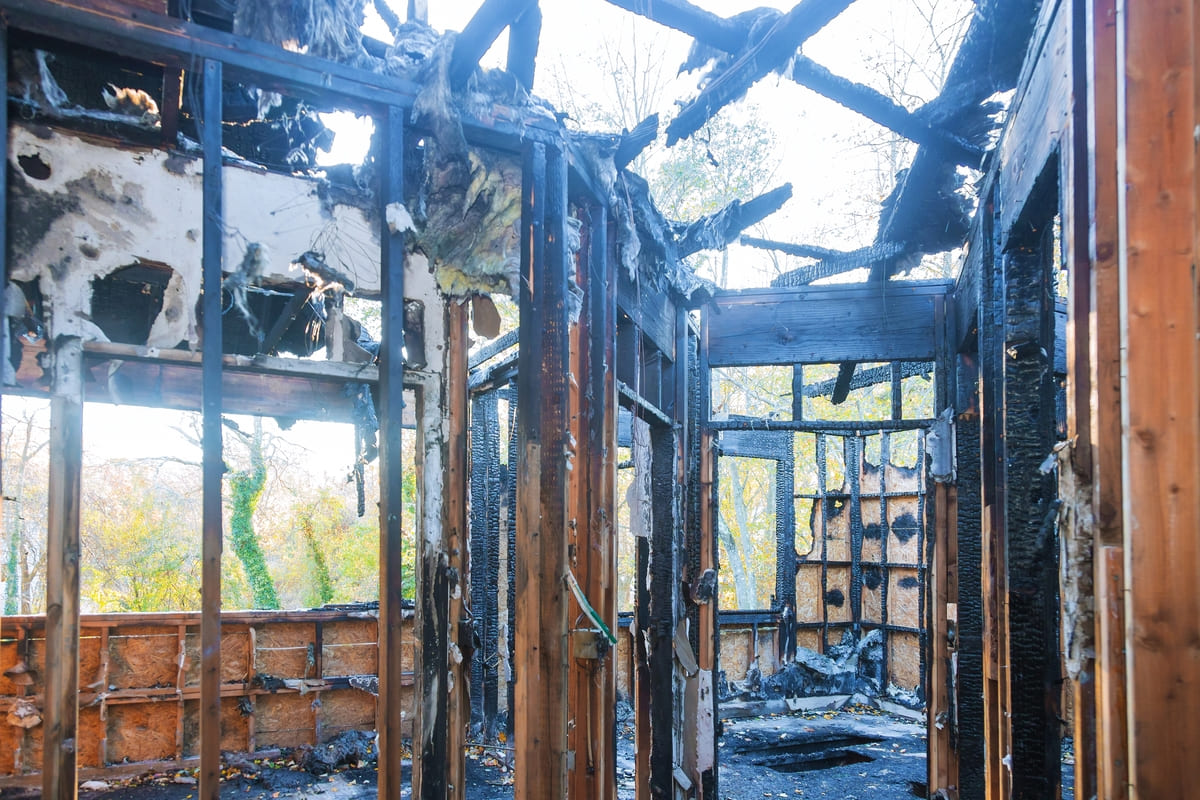
Pacific Palisades homeowners are starting to restore their properties, and getting building permits takes careful planning. Setting a realistic budget based on today’s market prices is the most important step before you finish your architectural plans. Working with experienced local builders helps make site prep, engineering, and city approvals go more smoothly, so your project moves forward from the first assessment to the final build.
Where the Palisades Fire Recovery Stands in 2026
All rebuilding in Pacific Palisades goes through the City of Los Angeles Department of Building and Safety, not the county. Homeowners need to follow city zoning rules, emergency guidelines, and building requirements. Hiring a professional fire damage restoration team in Los Angeles helps make sure your foundation and soil meet safety standards before you start building.
City offices say that many properties are making progress, with hundreds of construction plans under review. Environmental crews have finished Phase 1 hazardous clearing and Phase 2 debris removal in most burned areas. Once these steps are done, owners can start geotechnical testing and work on custom building plans.
Before You Rebuild: 6 Things to Confirm First
Checking key property details early helps keep your project on schedule and avoids delays with city paperwork.
1. Debris Clearance Status
Make sure you have official signoffs for both Phase 1 and Phase 2 site clearance before hiring engineers or architects. You can check your site’s status on city disaster websites and get the clearance documents you’ll need for your permit application.
2. Insurance Scope of Loss and ALE Coverage
Ask your insurance company for a full, itemized scope of loss as soon as you can. Also, check the limits and end dates of your Additional Living Expenses (ALE) coverage, so your temporary housing plans match your construction timeline.
3. Jurisdiction and Permit Pathway
Make sure your project goes through the City of Los Angeles Department of Building and Safety, not the county, to avoid delays. If you’re rebuilding a home similar in size and layout, you may benefit from city orders that speed up permit reviews.
4. Coastal Zone Status
Find out if your property is inside the California Coastal Zone. If it is, you’ll need extra environmental reviews, which can add new design rules and make the planning process take longer.
5. Utility Restoration Status
Contact your utility companies to make sure gas, water, and electricity are fully restored and ready for your property. Double-checking these connections helps you avoid surprises when construction starts.
6. Contractor and Trade Availability
There’s a high demand for builders in Pacific Palisades, Altadena, and Malibu right now. Working with skilled tradespeople early helps you find the right team and keeps your project on track.
The Insurance Gap Homeowners Are Facing
One big challenge after a wildfire is covering the difference between what your insurance pays and what it really costs to rebuild. Insurance estimates often use general averages that don’t match up with current local prices, labor costs, or new building codes in Southern California.
To protect your investment, get detailed bids from licensed contractors before you finish your plans or accept your insurance settlement. Comparing these real-world estimates to your insurance offer can show if anything is missing or underpriced. Some homeowners also hire licensed public adjusters to review their claim paperwork and make sure they get all the benefits their policy allows.
Fire-Resistant Building Requirements You’ll Need to Plan For
All of Pacific Palisades is in a Very High Fire Hazard Severity Zone. If you rebuild here, you must follow Chapter 7A of the California Building Code, which requires special materials and building methods to handle extreme heat and flying embers.
- Class A Roof Assemblies: Complete coverage using non-combustible materials such as concrete tile, clay tile, or heavy-gauge metal.
- Ember-Resistant Vents: Under-eave and foundation vents equipped with specialized mesh screens to prevent windborne embers from entering attic spaces.
- Ignition-Resistant Siding: Exterior wall cladding built with fiber-cement panels, stucco, or fire-treated masonry.
- Dual-Pane Tempered Windows: Heavy-duty window assemblies featuring at least one pane of tempered glass to resist thermal shock.
What This Means for Your Rebuild Timeline
Setting a clear and realistic schedule from the start helps your city reviews go smoothly. How long your project takes depends on whether your design qualifies for faster city approval or needs extra coastal reviews.
| Project Type | Typical Permit Timeline |
| Like-for-like Rebuilds (Eligible) | 6 to 8 weeks (expedited review) |
| Coastal Zone / Non-Eligible Modifications | 9 to 12+ months |
| Full Project Duration (Design to Move-in) | 18 to 24 months |
Immediate Action Steps for Your Rebuild
Doing the first steps in order helps you build momentum and avoid delays with city paperwork.
- Obtain Official Debris Clearance: Request your formal Phase 2 clearance letter from local environmental agencies to verify your lot is clear for engineering work.
- Review Your Insurance Scope: Compare your insurance carrier’s itemized settlement offer against modern construction bids to identify and resolve any coverage gaps early.
- Partner with Local Experts: Connect with established design-build professionals who understand local hillside ordinances and municipal permit workflows.
Moving Forward with Your Recovery Plan
Rebuilding your home takes careful planning, a realistic budget, and strict adherence to local building codes. By making sure your site is ready, checking your insurance paperwork, and picking fire-resistant materials, you give your project a strong start. Working with a skilled local contractor helps every step of city approval and construction go smoothly.
At Sky Builders ZHR, our team has deep local experience helping Pacific Palisades homeowners through every part of wildfire rebuilding. Taking these steps now helps you restore your property and build a safer, stronger community for the future.