
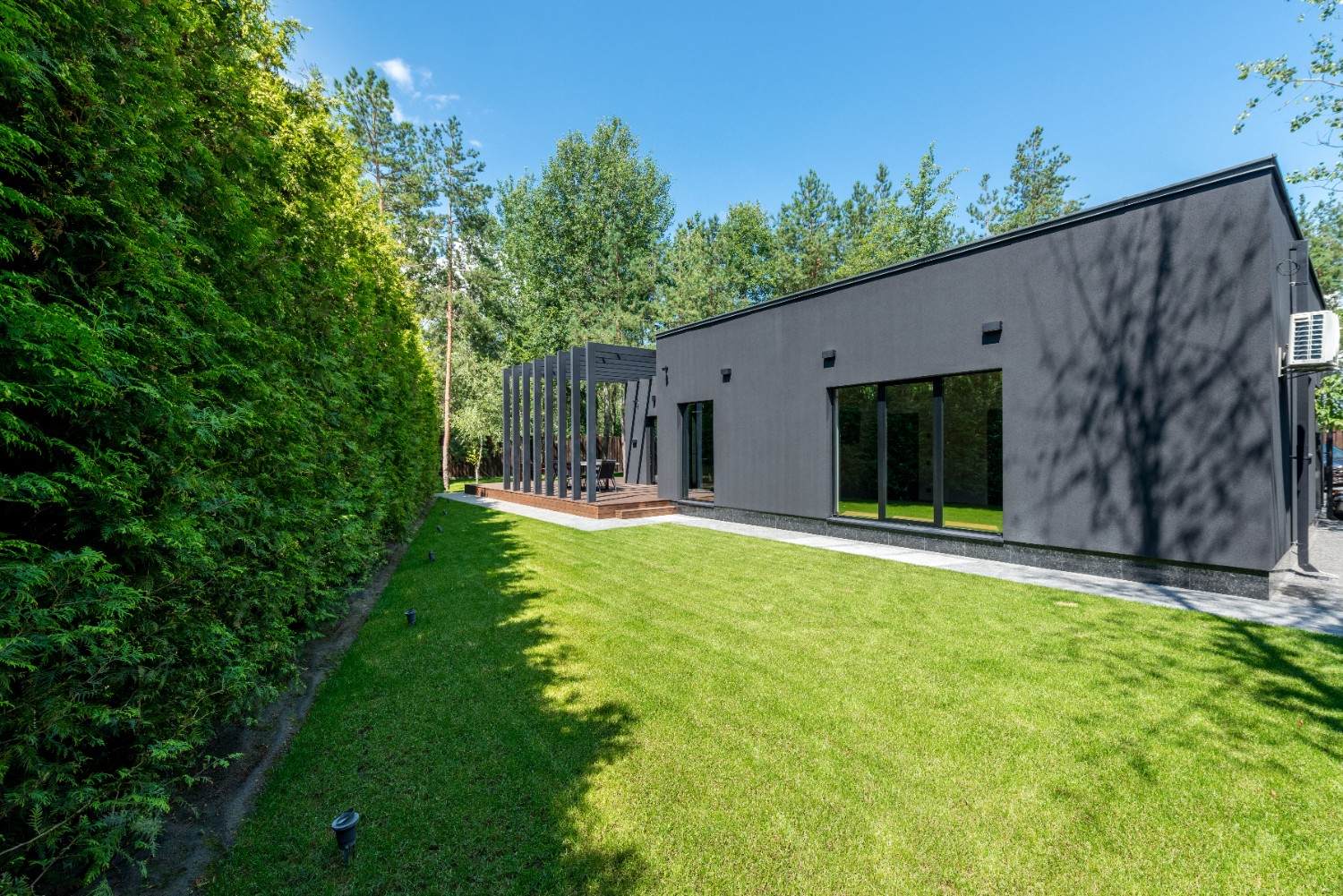
Choosing Pacific Palisades residential architects starts with understanding coastal rules that affect rebuilding. Many homes here are in California’s Coastal Zone, which can impact design and permits. Homeowners should check their parcel status, figure out the right rebuild process, and collect records about the pre-fire home’s size, height, bulk, location, and use. Doing this gives architects the details they need before starting the design.
First: Is Your Lot Actually in the Coastal Zone?
Begin by using the City’s Zone Information and Map Access System (ZIMAS). Before starting any design work, make sure to check:
- Coastal Zone Status: Search your address in ZIMAS and review the Coastal Zone information.
- Highlands Conditions: Check whether Coastal Development Permit A-381-78 and its conditions apply.
- Fire-Zone Requirements: Check the fire-hazard designation because applicable Chapter 7A wildfire construction requirements can affect design.
These steps help you find out which requirements could affect your project.
The 110% Rule, Explained in Plain English
Public Resources Code Section 30610(g) allows for a disaster-rebuild exemption. Usually, the new home must have the same use and location, and be within 10% of the old home’s floor area, height, and bulk. Each of these details is important for eligibility.
There is another option under current post-fire rules. According to Los Angeles City Planning, some zoning-compliant single-family rebuilds under Emergency Executive Order 8 (EO8) can be exempt from Coastal review, even if they go over 110%. The City will decide if your project qualifies.
The Four Coastal Approval Paths
The pathway depends on your parcel, your design, and the rebuilding rules that apply. Homeowners may face four possible routes:
| Path | When It May Apply | Who Handles It | Timing |
| Coastal Exemption (CEX) | An applicable exemption covers the project | City of Los Angeles | Project-specific |
| Categorical Exclusion (CATEX) | An applicable exclusion covers the work | City of Los Angeles | Project-specific |
| Palisades Highlands CDP | A-381-78 conditions apply | Review follows existing permit conditions | Project-specific |
| Coastal Development Permit (CDP) | Coastal permitting applies | City and, where applicable, Coastal Commission | Project-specific |
Figuring out your pathway early helps make sure your design matches the right review process.
What Can Lead to a Full Coastal Development Permit?
You may need a Coastal Development Permit (CDP) if your project falls under Coastal Act permitting rules. The review process depends on factors like:
- Project Size: Added floor area, height, or bulk can affect the statutory exemption.
- Use or Intensity: Changes in site use can influence eligibility.
- Building Location: Relocating development can affect replacement eligibility.
- Coastal Location: Certain properties may receive additional jurisdiction-based review.
- Bluff Conditions: Coastal or canyon bluff properties may require setback analysis.
- Coastal Resources: Public access, scenic resources, and sensitive habitat can affect review.
- Grading and Drainage: Hillside work may involve geology, grading, and drainage requirements.
The size of your project and the condition of your parcel will decide which review process you need to follow.
The Executive Orders That Changed the Rules and What Still Applies
Several California executive orders shaped post-fire rebuilding:
- EO N-4-25: Suspended specified California Environmental Quality Act (CEQA) and Coastal Act requirements for qualifying reconstruction.
- EO N-9-25: Extended these suspensions to qualifying projects that include a new accessory dwelling unit (ADU).
- EO N-14-25: Further clarified the Coastal Act suspension for qualifying rebuilding.
- EO N-20-25: Clarified existing exemptions and further streamlined rebuilding.
- EO N-29-25: Expanded rebuilding relief and provided specified building-code relief.
The City’s current guidance will help you figure out how these rules apply to your rebuild.
Why This Decision Belongs Before You Hire an Architect
Think about your design plans and coastal eligibility at the same time. Expanding your home can affect the usual 110% rule, but EO8 offers another option for some zoning-compliant projects. At Sky Builders ZHR, we suggest homeowners check their parcel conditions before starting design work.
Pre-fire records show your home’s legal size, location, and use. When you compare Pacific Palisades architects, ask how coastal rules will affect the design, who handles paperwork, how consultants are coordinated, and what happens if you need revisions.
8 Questions to Ask a Pacific Palisades Residential Architect
Before selecting an architect, ask:
- Project Experience: How many Palisades coastal-zone approvals have you handled since the fire?
- Parcel Review: Will you check my ZIMAS status before schematic design?
- Existing Home: How will you document pre-fire floor area, height, and bulk?
- Scope Decision: When will we confirm the rebuild pathway?
- Available Programs: Which expedited review or self-certification programs, if any, apply?
- Fire Hardening: How will you coordinate Chapter 7A requirements with coastal considerations?
- Application Responsibility: Who prepares and files the coastal documentation?
- Design Changes: How does our agreement address revisions during planning review?
Getting clear answers will help you compare architects based on their experience, what they handle, and how they approach projects.
Documents You Need to Prove Like-for-Like
Useful records include:
- Building Plans: Obtain pre-fire plans and permits from the Los Angeles Department of Building and Safety (LADBS).
- Assessor Records: Gather Los Angeles County property records.
- Insurance Records: Keep adjuster measurements and supporting documents.
- Pre-Fire Photos: Collect exterior and interior images.
- Current Survey: Establish the footprint, setbacks, and site conditions.
- Addition Permits: Gather records for lawful pre-fire additions.
At Sky Builders ZHR, we recommend gathering these records early to help with your design planning.
Timeline Reality Check
LADBS told Crosstown that Palisades rebuild-related permits averaged about 49 days from application to issuance as of January 2, 2026. The figure covered multiple permit types, while individual schedules depend on scope, clearances, site conditions, revisions, and review.
If your property is on a hillside, you may need a geology review and extra clearances from other departments. Use published timelines as general guides, and check current processing times before setting your project dates.
Conclusion
Coastal review is something to think about early when rebuilding in Pacific Palisades. Check your parcel in ZIMAS, find out which City pathway applies, and collect your pre-fire home records before starting design. Preparing early helps you make better decisions about permits, fire safety, and design changes. It also makes it easier to work with architects, consultants, contractors, and agencies during the rebuild.