
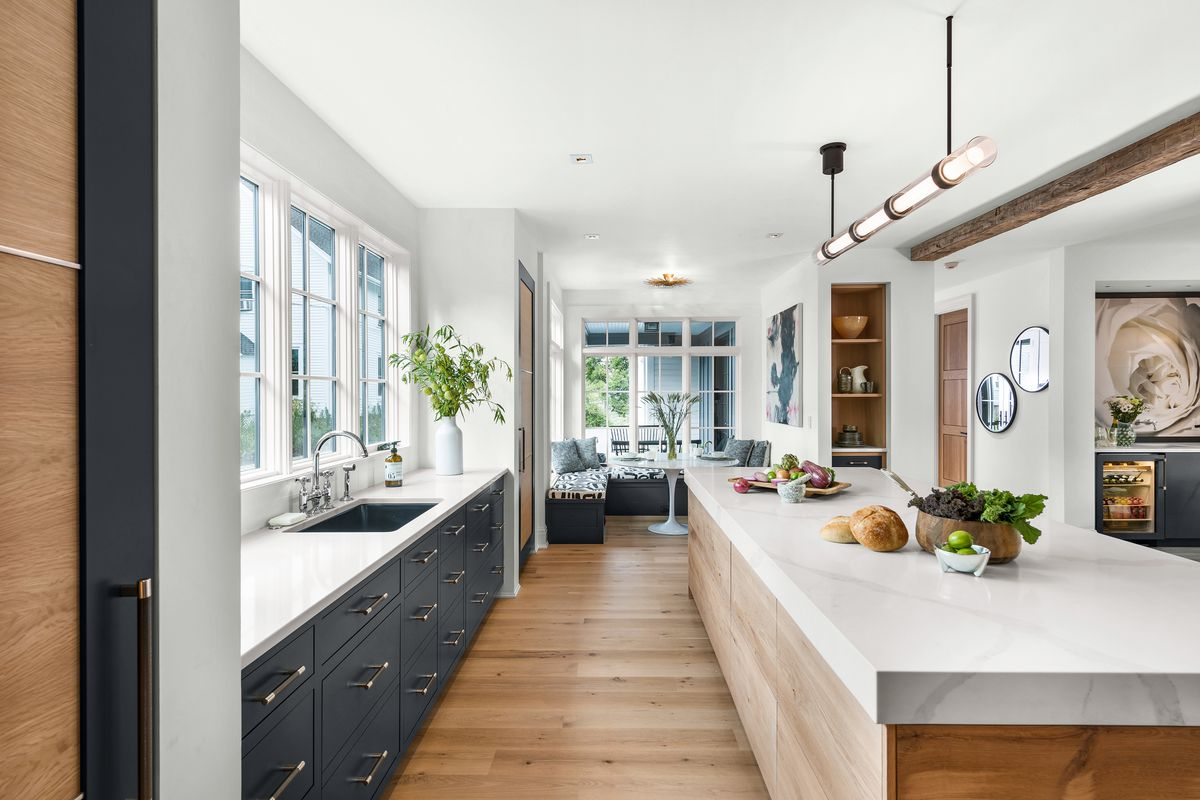
In 2026, kitchen remodels in the United States are expected to cost between $28,000 and $90,000. The final price depends on factors like kitchen size, layout changes, finish quality, and the appliances you choose.
Working with an experienced kitchen remodel contractor in Los Angeles can help you navigate rising costs driven by local labor shortages, shipping fees, and high demand for materials. Because costs can vary widely between simple updates and full renovations, it’s important to use a tiered budgeting plan that aligns with your priorities and supports your home’s long-term value.
The Renovation Reality: National vs Metro Pricing
National averages for kitchen remodeling are still a helpful reference in 2026, but cities like Los Angeles, New York, and San Francisco usually have higher costs. These areas face higher labor rates, permit fees, and strong demand for contractors, all of which push renovation budgets up. Sky Builders ZHR can help make local planning easier and ensure your new kitchen fits your daily needs and lifestyle.
Today’s standard kitchen remodel often includes smart appliances, built-in lighting, energy-saving systems, and advanced storage options. These new expectations have shifted kitchen renovations from simple cosmetic changes to projects that focus on technology and require specialized installation and planning.
Cost Breakdown by Project Scope
In 2026, the cost of remodeling your kitchen depends on how complex the project is, the quality of materials, and how much technology you add. Most people pick between simple updates, mid-range renovations, or high-end full remodels, based on their budget and long-term plans for their home.
| Remodel Tier | Estimated 2026 Cost | Typical Deliverables |
| Cosmetic Refresh | $15,000 to $30,000 | Cabinet repainting, fixture replacements, lighting upgrades, backsplash updates, minor appliance changes |
| Mid-Range Remodel | $30,000 to $60,000 | Semi-custom cabinets, quartz countertops, flooring replacement, updated appliances, moderate layout improvements |
| Premium Remodel | $60,000 to $100,000+ | Custom cabinetry, luxury appliances, smart integration, layout reconfiguration, high-end finishes |
Major Drivers of Kitchen Costs
The biggest costs in any kitchen remodel usually fall into five main categories, from materials to labor behind the scenes.
Cabinetry: The Budget Anchor
Cabinets are often the biggest expense in a kitchen remodel because they include the cost of materials, customization, making, and installation. In 2026, higher hardwood prices and a shortage of skilled carpenters are expected to keep cabinet prices rising.
Several cabinetry features can raise overall costs, such as:
- Custom Storage Solutions: Increase the complexity of fabrication and installation.
- Floor-to-Ceiling Cabinets: Require more material and labor time.
- Specialty Finishes: Add additional finishing and manufacturing costs.
- Semi-Custom Cabinets: Balance personalization with better cost efficiency.
Many people remodeling their kitchens in Los Angeles now focus more on making cabinets durable and practical for storage, rather than just adding decorative details.
The Rising Cost of Skilled Labor
Labor costs are going up because there aren’t enough experienced electricians, plumbers, tile installers, and carpenters. Kitchen remodels often require several specialists, especially if you’re changing plumbing, electrical systems, or ventilation.
Several factors contribute to increasing labor expenses, including:
- Permit Compliance: Updated building codes increase inspection requirements.
- Trade Coordination: Multiple contractors must work within strict timelines.
- Urban Demand: Metro areas such as Los Angeles continue to see strong renovation activity.
As a result, you’ll likely spend a bigger share of your renovation budget on skilled tradespeople than in past years.
Countertop Materials & Installation Complexity
The cost of countertops depends on the material you choose and how they’re made. Quartz is popular because it’s durable and easy to care for, while granite is still a favorite for its natural look.
Installation complexity often increases costs through features such as:
- Waterfall Edges:Require precision fabrication.
- Oversized Islands:Need larger slabs and specialized handling.
- Integrated Sinks:Add fabrication detail and labor time.
- Custom Edge Profiles:Increase installation complexity.
These features can make your remodel more expensive, especially if you choose high-end materials.
Appliance Tiers & Tech Integration
More kitchen remodels now include smart appliances and energy-saving technology to make life easier and boost long-term performance.
Popular upgrades in 2026 include:
- Smart Refrigerators: Support energy monitoring and inventory tracking.
- App-Controlled Ovens: Allow remote cooking management.
- Touchless Fixtures: Improve hygiene and reduce water waste.
- Integrated Lighting Systems: Enhance efficiency and usability.
You’ll need to plan your electrical and other systems carefully before installing these upgrades.
Strategic Budgeting and ROI Management
Good budgeting helps you control renovation costs while making your kitchen more useful and adding value to your home. Careful planning is especially important in expensive markets, so you avoid unnecessary upgrades and stay focused on what matters most.
The “Footprint Rule” for Savings
Keeping your kitchen’s original layout helps you avoid the extra costs of moving plumbing, gas lines, or electrical wiring. At Sky Builders ZHR, we design around your current space to make it work better for you without adding unnecessary construction costs. Many local remodelers use this method because it improves the look of your kitchen while keeping spending in check.
Prioritize High-Impact Surface Updates
You can update your kitchen’s look and function without a full remodel by focusing on visible changes that make a real difference.
The best updates include:
- Cabinet Refinishing: Refreshes the kitchen without full cabinet replacement.
- Lighting Upgrades: Improves visibility and enhances ambiance.
- Backsplash Replacements: Adds texture and modern visual appeal.
- Countertop Updates: Increases durability while improving overall aesthetics.
These focused updates can make a big difference in your kitchen without the need for a complete remodel.
Implement a 15–20% Contingency Buffer
Surprise costs often come up during kitchen remodels, especially in older homes. Setting aside extra money as a backup helps you handle hidden repairs without stopping work or having to use lower-quality materials.
Balance Customization with Resale Value
Very unique designs might make it harder to sell your home later. Choosing neutral colors, strong materials, and classic cabinet styles usually helps your kitchen keep its value in a tough market.
Conclusion
Remodeling your kitchen in Los Angeles means finding a balance between your design goals and the realities of the local market. With labor and material costs on the rise, focusing on the most important updates and keeping your current layout can help you stay on budget. Make sure to set aside extra funds for unexpected repairs before you hire a contractor. By choosing classic materials and smart planning, your new kitchen will be both useful every day and a good investment for your Southern California home.
Frequently Asked Questions
Is $30,000 a realistic budget for a kitchen remodel in 2026?
A $30,000 budget can support a mid-range kitchen remodel that includes semi-custom cabinets, countertop upgrades, lighting improvements, and appliance replacements without major layout modifications.
What part of a kitchen remodel offers the highest ROI?
Why are kitchen cabinets so expensive right now?
Cabinet costs continue to rise due to higher hardwood prices, supply chain delays, and ongoing shortages of skilled manufacturing and installation professionals.
How long does a typical $50,000 kitchen renovation take?
Most mid-range kitchen renovations take between eight and twelve weeks, depending on permit approvals, labor availability, and material delivery timelines.