
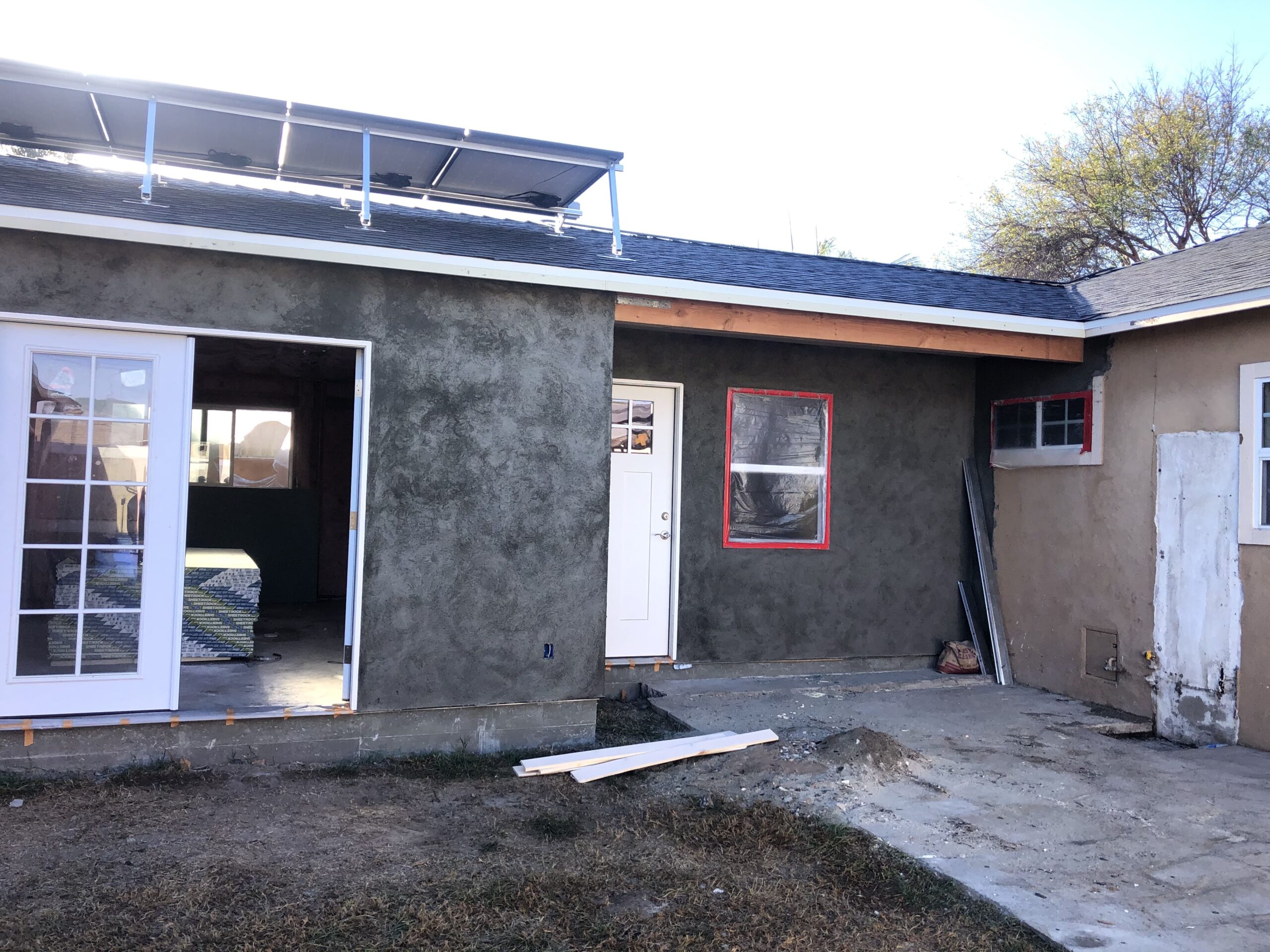
Hiring a contractor in Los Angeles is a big decision, both financially and emotionally. High property values, strict permits, and neighborhood rules make the process complex. Asking the right questions helps you avoid budget overruns, delays, and inexperienced contractors.
When choosing a general contractor in Los Angeles, you need to follow strict California building codes. This 10-question checklist will help you feel confident about hiring someone you can trust.
The Reality of Renovating in Los Angeles
Many homeowners imagine a smooth remodel with fast approvals and easy construction. In reality, Los Angeles projects often face strict zoning, historic preservation rules, and complex permits. Delays are common if contractors lack experience with LADBS or local regulations.
By 2026, local expertise will be even more important as rules and permit reviews get more complicated. An experienced Los Angeles builder can help you avoid delays, paperwork problems, and approval setbacks. At Sky Builders ZHR, we handle every step of home remodeling in Los Angeles, so city regulations don’t slow down your project.
10 Critical Questions to Vet Your LA Contractor
Homeowners should talk in detail with contractors, since experience, communication, and following the rules all affect how a project turns out in Los Angeles. Asking the right questions early shows if a contractor can handle permits, schedules, and local rules while staying transparent.
1. Are You Licensed, Bonded and Insured in California?
Before starting any work, make sure your contractor has an active California license. The California Contractors State License Board (CSLB) requires a license for any project over $500, including labor and materials. Contractors should easily provide their license number and proof of bonding and insurance.
Insurance protects you from liability if there’s an accident during construction. Bonding gives you financial protection if the contractor doesn’t meet their obligations. Checking these details early helps you avoid legal trouble, disputes, and costly delays.
2. How Familiar Are You with LA Building Permits and Inspections?
Most Los Angeles construction projects need approvals and inspections from the Los Angeles Department of Building and Safety (LADBS). Contractors should clearly explain how they handle permits, inspections, and paperwork at every stage.
Contractors who don’t know local permit rules can cause compliance problems or even get you fined for unpermitted work. Ask if your contractor has handled similar permits in your area, since local experience usually means smoother inspections and faster approvals.
3. Who Will Be on My Site Daily?
Some contractors supervise projects themselves, while others use project managers or foremen for daily oversight. Make sure you know who will be on-site each day and who your main contact will be during construction.
The person who gives you the proposal might not be the one supervising your project. Ask if a dedicated foreman or project manager will stay on-site. This helps keep communication clear and the project on track.
4. Can You Provide Three References from the Last Year?
Talking to recent clients gives you a sense of how the contractor communicates, sticks to schedules, and manages projects. References from the last year show how the contractor currently operates better than older ones.
Contact past clients yourself to check if the contractor kept to the timeline and handled any surprises professionally.
5. What Does Your Payment Schedule Look Like?
A professional contractor will give you a written payment schedule before starting work. In California, down payments are limited to 10% of the project’s value or $1,000, whichever is less.
Review the payment terms closely before you sign any contract.
Key details to look for include:
- Down Payment Limits: California regulations restrict upfront payment requests.
- Milestone Payments: Payment stages should match completed construction phases.
- Written Agreements: Every payment condition should appear within the contract.
Clear payment schedules help you keep track of costs and avoid confusion during the project.
6. How Do You Handle Change Orders and Surprises?
Once demolition or structural work starts, changes often come up. Contractors should explain how they document, approve, and price any changes before moving forward.
Reliable contractors usually manage project adjustments through procedures such as:
- Written Documentation: Every modification should receive homeowner approval.
- Budget Transparency: Contractors should clearly explain the cost impacts.
- Timeline Updates: Revised schedules should be shared immediately.
Having set steps for change orders helps you stay in control of your budget and schedule.
7. What Is Your Realistic Estimated Timeline?
Be careful if a contractor promises a fast finish without talking about permits, inspections, or material availability. Overly optimistic timelines can lead to disappointment and frustration.
Experienced contractors often give you a calendar with key milestones, inspections, and possible delays. A detailed schedule helps you plan for temporary housing, deliveries, and other project needs.
8. Do You Have Experience with My Specific Neighborhood’s Rules?
Different Los Angeles neighborhoods have their own construction rules that can affect approvals and timelines. For example, HPOZ areas have additional architectural guidelines, and hillside homes may require special permits or engineering reviews.
These are some of the most important LA residential contractor questions homeowners should ask because contractors familiar with local regulations can reduce approval delays and compliance issues.
9. Which Specific Subcontractors Will You Use?
Most general contractors use subcontractors for plumbing, electrical, and other specialized work. Make sure these subcontractors are also licensed, insured, and familiar with Los Angeles building codes.
Good relationships with subcontractors can lead to better scheduling and higher quality work.
10. What Is the Warranty on Your Craftsmanship?
Ask for a written explanation of the workmanship warranty before construction starts. Manufacturer warranties cover products or materials, but workmanship guarantees protect you if there are problems with installation or labor.
A contractor who stands by their work will give you a clear warranty period and explain how to request service after the project. Knowing your warranty helps you avoid confusion later.
Red Flags to Watch For
Watch for warning signs early, since small problems during hiring can turn into costly disputes later. Common red flags include:
- Cash-Only Deals: Contractors requesting cash payments may avoid accountability, taxes, or proper documentation.
- Large Upfront Payments: California law limits down payments to 10% of the project value or $1,000, whichever is lower.
- Missing License or Insurance Copies: Reliable contractors should be willing to provide physical proof of their licensing and insurance coverage.
- Vague Contracts: Contracts without timelines, costs, or payment details can create confusion later.
Looking out for these warning signs can help you avoid delays, financial risks, and unfinished work.
Conclusion
Building or remodeling in Los Angeles means balancing your vision with strict rules. Using these 10 questions when you interview contractors helps protect your investment, keeps you safe from liability, and ensures your project meets LADBS standards. Taking time to check your contractor up front is the best way to have a smooth, successful home project.
Frequently Asked Questions
How do I verify a contractor’s license in California?
Search the business name or license number online directly through the California Contractors State License Board (CSLB) portal to verify an active status, bonding, and workers’ compensation coverage.
Do I need a permit for a simple kitchen remodel in LA?
What happens if a contractor works without insurance?
If a contractor is uninsured, the homeowner can be held personally and financially liable for any on-site injuries, property damage, or accidents that occur during construction.