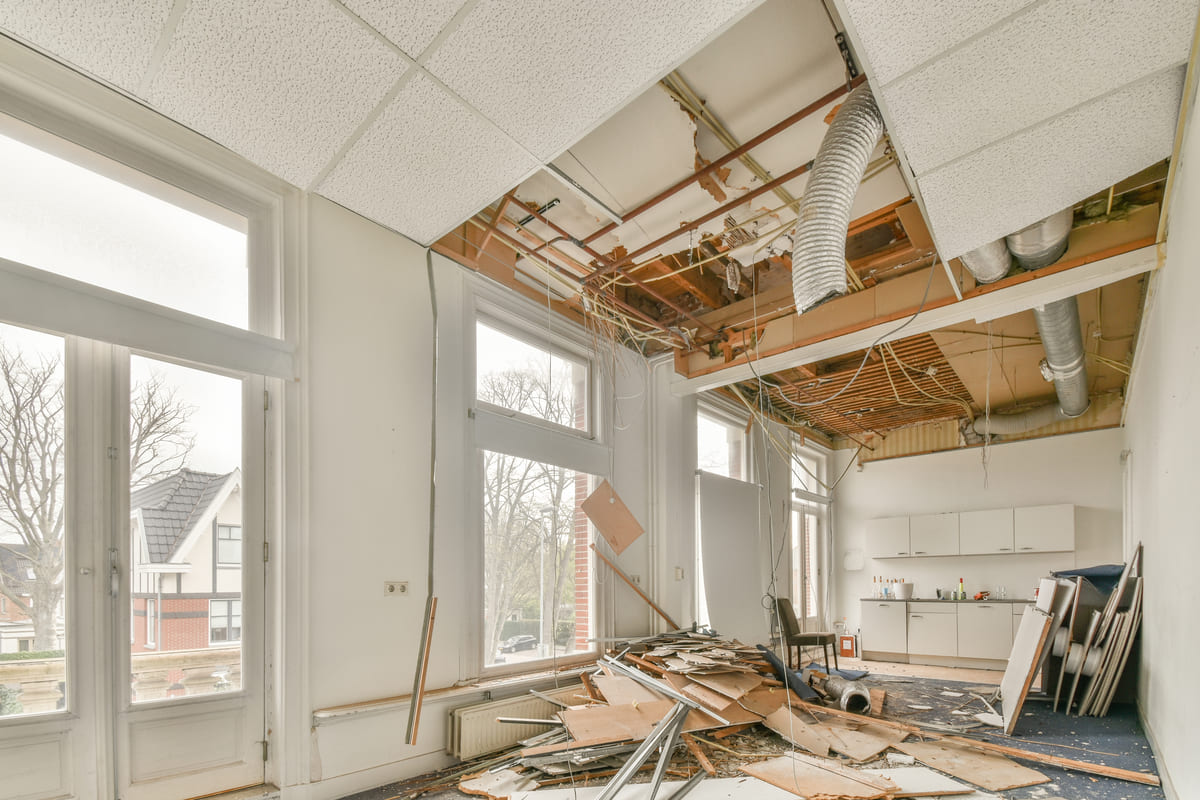
A fire does more than just cause visible damage. Heat, smoke, soot, and water from firefighting can harm your home’s structure, air quality, and belongings. While some damage is easy to spot, other issues may be hidden behind walls, ceilings, or floors.
Restoring a fire-damaged property involves more than cleaning debris. It requires a systematic approach that addresses safety concerns, prevents further damage, and restores the property. Understanding the fire damage restoration in Los Angeles process helps homeowners know what to expect and make informed decisions during recovery.
What Happens After Fire Damage?
Fire damage often extends far beyond the area where the flames started. Smoke, soot, and water can quickly spread throughout the property, affecting both visible and hidden areas.
Some fire damage is hard to spot. Extreme heat can weaken framing, roofing, and load-bearing walls, even if they look fine on the outside. Smoke and soot can also move through air ducts, insulation, and wall spaces, making the air inside unsafe.
Additionally, the water used to put out the fire can soak drywall, flooring, and wood framing, creating a significant risk of mold growth if it is not dried quickly. A professional inspection helps find all of this hidden damage before any rebuilding begins.
Starting the cleanup right away matters because waiting will make the damage much worse. Acidic soot will permanently stain walls, rust metal fixtures, and scratch glass surfaces, while trapped moisture can lead to dangerous mold growth within just 24 to 48 hours. Moving quickly helps save the client’s personal belongings, protect the home’s structural safety, and reduce overall repair costs.
Step-by-Step Fire Damage Restoration Process
Every restoration job is unique, but most follow the same basic steps to make the home safe and livable again.
Step 1: Emergency Inspection and Safety Assessment
The first step is a thorough inspection of the property. Restoration experts check if the structure is stable, look for smoke, fire, or water damage, and document everything they find. This helps create a restoration plan and supports your insurance claim.
Step 2: Securing the Property
To prevent further damage, temporary protective measures are implemented. These may include:
- Boarding up broken windows
- Installing roof tarps over damaged areas
- Stabilizing weakened structures
- Preventing unauthorized entry
- Protecting the property from weather exposure
These steps keep your property safe until permanent repairs can start.
Step 3: Water Extraction and Structural Drying
Any water left after firefighting needs to be removed before repairs begin. Professionals use special equipment to dry out walls, floors, and other materials. Drying everything properly helps prevent mold and further damage.
Step 4: Smoke, Soot and Odor Removal
Removing smoke residue requires specialized equipment and cleaning methods. Restoration professionals may use:
- HEPA air scrubbers
- Dry sponge cleaning
- Specialized soot removal products
- Thermal fogging
- Hydroxyl treatment
These methods improve air quality and get rid of tough smoke odors and residue.
Step 5: Cleaning and Sanitizing Salvageable Materials
Many items and materials can be restored instead of replaced. Furniture, floors, and other salvageable things are cleaned, disinfected, and deodorized by professionals to help save your valuable possessions.
Step 6: Repairs and Full Reconstruction
Once cleaning and drying are complete, rebuilding begins. Repairs may include:
- Drywall replacement
- Structural framing repairs
- Roofing repairs
- Flooring installation
- Interior painting
- Finish carpentry
Sky Builders ZHR handles every part of fire damage restoration, including emergency board-up, water removal, smoke cleanup, repairs, and full reconstruction.
What Repairs Are Usually Needed After a Fire?
The repairs needed depend on how much fire, smoke, and water have damaged the property. Some materials can be restored, but others need to be replaced to keep the home safe.
Structural Repairs
Fire-damaged components commonly repaired include:
- Structural framing
- Drywall
- Roofing
- Insulation
- Subfloors
Each component is inspected to determine whether it can be restored or needs replacement.
Electrical and Plumbing Inspections
Heat can damage electrical wiring, panels, and plumbing systems even when no visible signs are present. Licensed professionals inspect these systems before the home is reoccupied to ensure they operate safely.
Interior Restoration and Finishing
The final stage includes repairs that restore the home’s appearance and functionality, such as installing flooring, finishing drywall, painting, replacing trim, and rebuilding damaged interior spaces.
Health and Safety Risks After Fire Damage
Fire damage can create health hazards long after the flames are extinguished.
Smoke and Soot Exposure
Smoke and soot contain fine particles that can affect indoor air quality and irritate the eyes, skin, and respiratory system. Professional cleaning helps remove contaminants trapped in surfaces and HVAC systems.
Mold Growth After Firefighting Water
Water left behind after firefighting can quickly soak into drywall, insulation, and wood framing. Without proper drying, mold can begin growing within 24 to 48 hours, leading to additional property damage.
When Is It Safe to Return Home?
Homeowners should only return after professionals confirm the property is safe. Structural instability, electrical hazards, and poor indoor air quality may persist after the fire is extinguished.
Common Mistakes Homeowners Should Avoid
Avoid these common mistakes after a fire:
- Waiting too long to begin restoration
- Attempting to clean smoke damage with household products
- Throwing away damaged belongings before documenting them for insurance
- Entering the property before it has been declared safe
- Ignoring hidden water damage that can lead to mold growth
Understanding the Fire Insurance Claims Process
Filing an insurance claim is easier when damage is properly documented, and restoration professionals are involved early.
Document the Damage Immediately
Before cleanup begins, work to document:
- Photos of every affected room and personal item
- Videos of structural damage before stabilization
- An organized inventory of all damaged belongings
- Detailed repair estimates from your contractor
- Receipts for emergency out-of-pocket expenses
Working With Contractors and Insurance Adjusters
Clear communication between restoration experts and insurance adjusters keeps the claims process on track. Sky Builders ZHR gives detailed damage reports, insurance-ready estimates, and full reconstruction services to help you move from claim approval to rebuilding faster.
Choosing a Fire Damage Restoration Contractor
Choosing the right restoration contractor can make the recovery process more manageable.
- Look for a licensed contractor with proper certifications and experience in fire damage restoration.
- Ensure they offer comprehensive services, including emergency response, smoke and soot removal, water mitigation, structural repairs, and full reconstruction.
- Look at reviews, ask for references, and check past projects to make sure the contractor is reliable and does quality work.
- Confirm they can assist with insurance documentation and communicate directly with your insurance provider.
- Pick a contractor who gives clear timelines, honest pricing, and keeps you updated throughout the process.
Conclusion
Recovering from a fire is about more than fixing what you can see. It takes a full, step-by-step process to make your home safe and comfortable again. Acting quickly protects your home’s structure, saves your belongings, and helps your insurance claim go smoothly.
Each step in this process is important for your recovery. Working with a dedicated local team means you get clear communication and quality work, guiding you from cleanup to a fully restored home.