
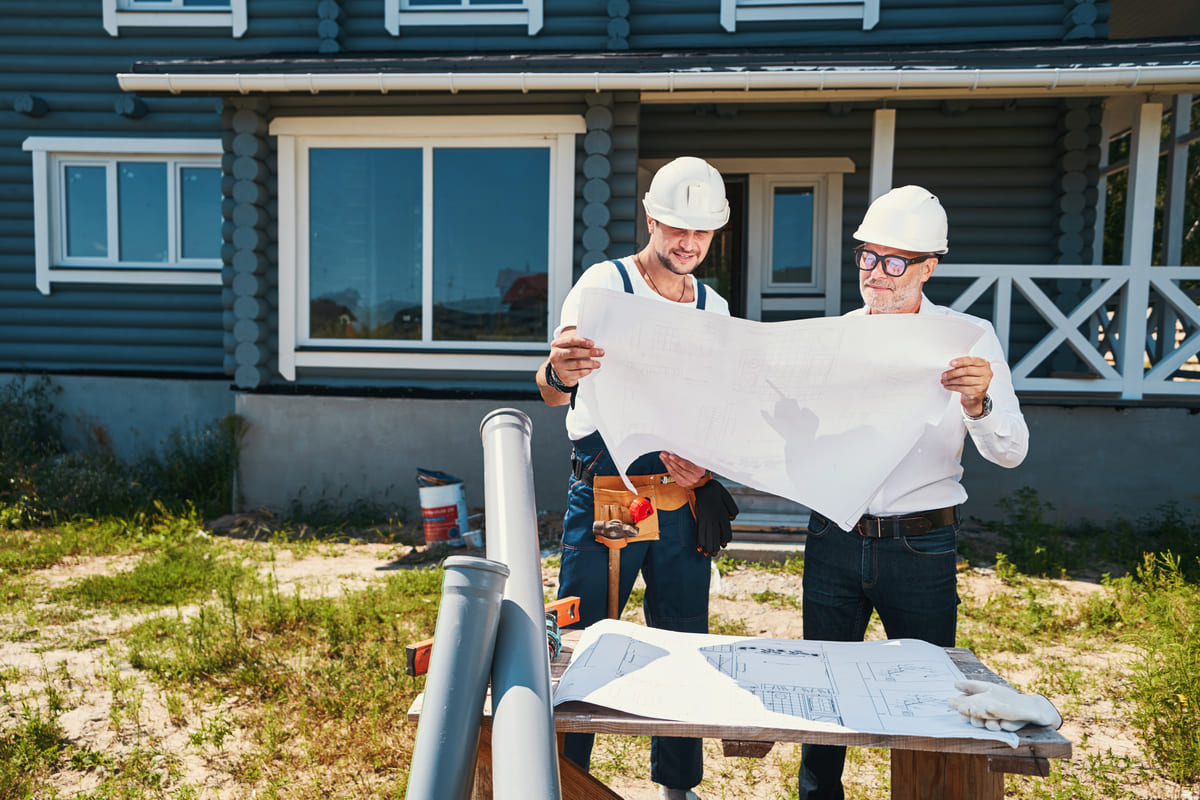
Building a custom home in Pacific Palisades is an exciting journey, but it requires thoughtful planning and attention to detail. Choosing the right lot and understanding local rules can significantly impact your timeline, budget, and overall success.
Due to the area’s unique hills, coastal environment, and local requirements, good preparation is essential to avoid costly surprises and ensure a smooth building experience.
Regardless of whether you’re building your first custom home or replacing an existing property, understanding the process can help you make better decisions before choosing Pacific Palisades home builders for your project.
Understanding Home Building in Pacific Palisades
Pacific Palisades is a special place for custom homes, with great views and a coastal setting. To succeed, start by learning about local building conditions, rules, and planning needs.
Current Building Trends
Many homeowners are choosing custom homes with modern layouts and strong, energy-saving construction. Some popular features are:
- Open floor plans
- Indoor-outdoor living spaces
- Sustainable building materials
- Large windows to maximize natural light and views
- Smart home technology
Planning Before You Build
Before construction begins, consider:
- Local zoning requirements
- Lot size and topography
- Utility availability
- Building setbacks
- Permit requirements
- Overall project budget
Early planning helps reduce delays during design and construction.
Step 1: Define Your Goals, Budget and Timeline
A successful homebuilding project starts with clear expectations. Establishing your priorities early helps guide design decisions and keeps your project on schedule.
Determine Your Priorities
Consider questions such as:
- How much living space do you need?
- What architectural style do you prefer?
- Will the home support future family needs?
- Which features are essential versus optional?
Having a clear vision makes it easier to balance design goals with your budget.
Create a Realistic Budget
Your budget should include more than construction costs. Plan for:
- Architectural and engineering fees
- Permits and inspections
- Site preparation
- Construction materials
- Interior finishes
- Landscaping
- A contingency fund for unexpected expenses
Set a Practical Timeline
Every custom home follows a different schedule, but most projects include:
- Design and planning
- Permit approvals
- Site preparation
- Construction
- Final inspections
- Move-in
Allowing flexibility for weather, permitting, and material availability can help prevent unnecessary delays.
Step 2: Evaluate Your Building Site
The building site plays a major role in determining construction costs and design possibilities. A detailed site evaluation helps identify challenges before work begins.
Assess the Property
Review important site conditions, including:
- Lot dimensions
- Slope and grading
- Property access
- Utility connections
- Drainage
- View opportunities
Understanding these factors helps optimize the home’s design and layout.
Complete Soil and Engineering Studies
Geotechnical investigations provide valuable information about soil conditions and foundation requirements. These reports help engineers design safe, stable foundations, particularly on hillside properties.
Consider Environmental Factors
Depending on the location, your project may need to address:
- Hillside construction requirements
- Stormwater management
- Coastal considerations
- Fire-resistant construction standards
- Tree preservation requirements
At Sky Builders ZHR, we guide homeowners through site evaluations, planning, and pre-construction services to identify potential challenges early and develop practical building solutions before construction begins.
Step 3: Build the Right Team
Building a custom home requires more than hiring a contractor. Working with experienced professionals from the beginning helps keep your project organized, compliant, and on schedule.
Choose Experienced Design Professionals
Look for an architect or design-build team with experience designing custom homes in Pacific Palisades. They should understand local zoning requirements, hillside construction, and current residential design trends.
A qualified team can help with:
- Custom home design
- Space planning
- Material selection
- Permit-ready construction drawings
- Budget-focused design decisions
Hire a Custom Home Builder
Selecting the right builder is one of the most important decisions you’ll make. Before signing a contract, consider:
- Active California contractor licensing
- Experience building custom homes
- Portfolio of completed projects
- Insurance coverage
- Client reviews and references
- Clear communication throughout the project
By working with one experienced team, homeowners benefit from better coordination, consistent communication, and a more streamlined building process.
Work With Engineers and Consultants
Depending on your property, additional professionals may be needed, including:
- Structural engineers
- Civil engineers
- Geotechnical consultants
- Surveyors
- Landscape designers
Working with the right specialists early helps reduce design changes later in the project.
Step 4: Understand Permits and Building Requirements
Every custom home in Pacific Palisades must comply with local building regulations before construction begins. Completing the approval process early can help avoid unnecessary delays.
Required Permits
Most projects require several approvals before construction starts, including:
- Building permits
- Plan check approval
- Structural review
- Electrical and plumbing permits
- Grading permits (when applicable)
- Required city inspections
Permit requirements vary depending on the property’s location and project scope.
Modern Building Standards
New homes are often designed to meet current California building standards, including:
- Energy-efficient construction
- Fire-resistant building materials
- Updated structural requirements
- Modern insulation standards
- Water-efficient fixtures
These requirements help improve safety, durability, and long-term performance.
Keep the Approval Process Organized
A well-managed approval process helps prevent delays during construction. Submitting complete plans, responding quickly to review comments, and coordinating with consultants can keep the project moving efficiently.
Step 5: Plan for Construction
Careful project management helps ensure construction stays on schedule and within budget.
Build a Realistic Construction Schedule
A typical construction timeline includes:
- Site preparation
- Foundation work
- Framing
- Roofing and exterior finishes
- Plumbing, electrical, and HVAC
- Interior finishes
- Final inspections
Building in contingency time helps account for weather, material availability, and permit reviews.
Manage Your Budget Throughout Construction
Even with good planning, projects can change. Checking your budget often helps you keep track of costs and avoid surprises.
Monitor:
- Construction progress
- Material selections
- Approved change orders
- Contractor invoices
- Remaining contingency funds
Prioritize Quality Control
Routine inspections throughout construction help identify issues before they become expensive repairs. Reviewing quality at each phase also helps ensure the finished home meets your expectations.
Conclusion
Building a custom home in Pacific Palisades is a big investment that starts with good planning. Setting your goals, checking the site, choosing the right team, and learning about permits can make the process smoother.
If you take time to prepare before building, you’ll be ready to create a home that matches your vision, fits your lifestyle, and holds its value for years.